
Today there are many different options when it comes to selecting an air filter. There is a scale for air filters called the Filter Performance Rating. It rates your selected air filter on a scale from good, better, best, and premium.
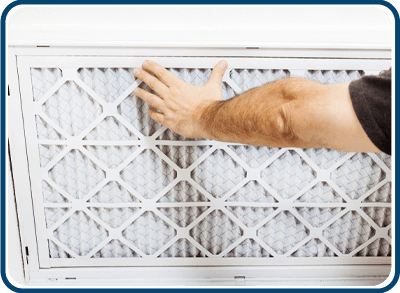

Good
- Blocks Large Particles such as duct, lint, pollen & pet dander

Better
- Blocks Large Particles
- Blocks Small Particles
- Blocks smoke, smog, microscopic allergens, and particles that can carry viruses

Best
- Blocks Large Particles
- Blocks Small Particles
- Blocks Particles that can cause odors
- Blocks smoke, smog, microscopic allergens, and particles that can carry viruses
Dirty Air Filters Cost You Money
A Dirty Air Filter can cause damage to your heating & cooling unit. Dirty air filters cause restricted airflow for your air handler causing it to work harder to control the temperature of your home. This additional strain may trigger components of your unit to burn out. A dirty filter can also allow dust and dirt to get to your evaporator coil causing it to freeze over and degrade your energy efficiency. In some cases, the evaporator coil will need to be cleaned or replaced causing you to spend hundreds of dollars on repairs. Here are the top 5 air filters for people with pets! Changing your air filters is an important part of keeping your unit running at its optimum. Call Summit Heating, A/C, Plumbing & Electrical to find out more about protecting your Heating & cooling unit.

Suggested Filter Change Schedule
- Vacation homes / single occupant / no pets: every 90 days
- Typical family home, no pets: every 60 days
- Home with 1–2 pets: every 30–45 days
- Home with multiple pets or allergies/asthma: every 20–30 days
- During heavy smoke or wildfire season: every 2–3 weeks
Signs Your Air Filter Needs to Be Changed Now
- Weak airflow from your vents compared to normal
- More dust collecting on furniture and surfaces
- Worsening allergy or asthma symptoms while you’re at home
- The filter looks gray, dirty, or clogged when you hold it up to the light
- Energy bills creeping up without a change in weather or usage
DIY Filter Changes vs. Calling a Professional
When It’s OK to DIY
- You know the correct filter size and type for your system
- You can easily access the filter slot or return grille
- Your system is running normally with no odd noises or odors
- You’re simply swapping out an old filter for a new one on schedule
When to Call us
- You’re not sure which filter rating is best for your home or allergies
- You see ice on the indoor coil or notice short cycling
- You haven’t had a full HVAC inspection or tune-up in over a year
- You’re concerned about air quality, dust, or persistent odors
Air Filters Affect Your Family’s Health
Clean air filters have just as much effect on indoor air quality as they do on proper AC functioning. Having a clean filter means your AC is able to trap contaminants and allergens and keep them from exacerbating health issues such as asthma, allergies, and respiratory problems. For all you allergy sufferers out there, you can keep your nose clean by upgrading your air filter in your heating & cooling unit. An Air filter that is rated Best can help you feel some relief when it comes time for allergy season. By blocking microscopic allergens and allowing you to breathe freely with fewer sneezes.